You can catch bradycardia early by choosing accurate sport watches like the Apple Watch SE 2 or Garmin’s Elevate 4.0 sensor technology, positioning your device 1-2 finger widths above your wrist bone, and configuring low heart rate alerts between 40-50 bpm. Track resting heart rate trends over multiple days, document sustained readings below 60 bpm with accompanying symptoms, and export data for healthcare providers when patterns emerge. These strategies will help you identify concerning episodes that need professional attention.
Understanding What Bradycardia Means for Your Heart Health
Your heart’s rhythm tells a story about your overall health, and understanding bradycardia can help you interpret what your body’s trying to communicate.
Bradycardia occurs when your heart rate drops below 60 beats per minute, creating an abnormal rhythm that your sport watch can detect.
While athletes often have naturally slower heart rates, bradycardia can signal underlying problems for others. Your heart’s electrical signals from the sinus node control this rhythm, and disruptions can stem from heart damage, thyroid issues, electrolyte imbalances, or medication side effects.
You’ll want to recognize symptoms like fatigue, dizziness, shortness of breath, or fainting episodes. These signs indicate your heart isn’t pumping enough blood to meet your body’s oxygen demands, potentially affecting essential organs and your overall cardiovascular health. Many physically fit individuals may not experience any symptoms despite having bradycardia.
Choosing the Right Sport Watch for Heart Rate Monitoring
When selecting a sport watch for bradycardia detection, accuracy becomes your most critical consideration since even small measurement errors can mask dangerous heart rate drops.
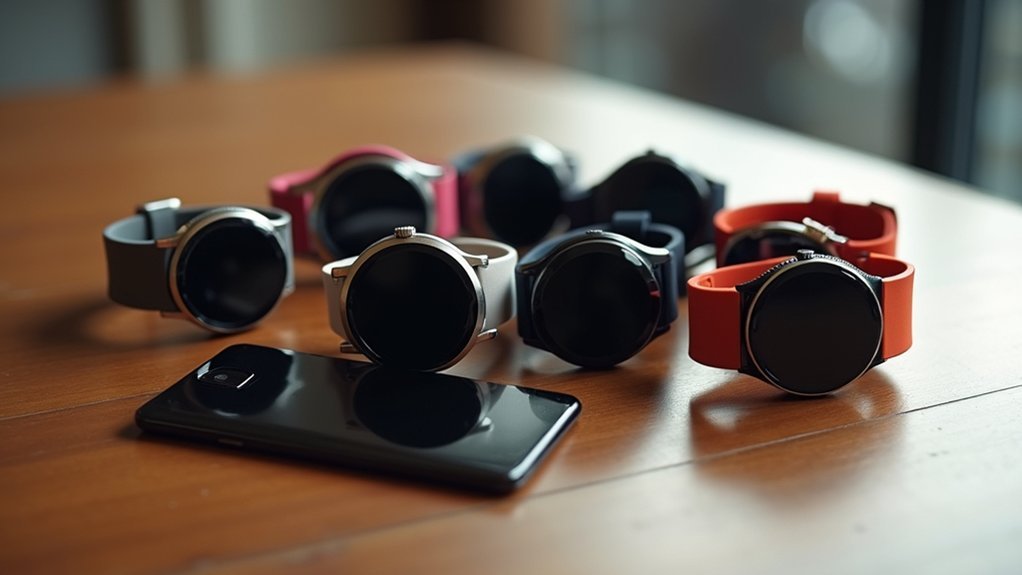
Look for models with proven low error rates like the Apple Watch SE 2 (2.4% error) or budget-friendly Coospo HW807 (1.4% error). Garmin’s newer Elevate 4.0 sensor technology in the Venu 2 offers superior accuracy compared to older models.
Choose devices with verified error rates under 2.5% – the Apple Watch SE 2 and Coospo HW807 lead in bradycardia detection accuracy.
Prioritize continuous monitoring capabilities and alert systems that’ll notify you when your heart rate dips too low.
While chest straps provide better accuracy than wrist sensors, they’re less convenient for daily wear. Recent testing confirms that Polar H10 chest straps deliver exceptional accuracy as reference devices for heart rate monitoring. Consider battery life since continuous monitoring drains power faster.
Guarantee proper skin contact and regular sensor calibration to maintain peak accuracy for detecting bradycardia episodes.
Optimizing Device Fit and Sensor Contact for Accurate Readings
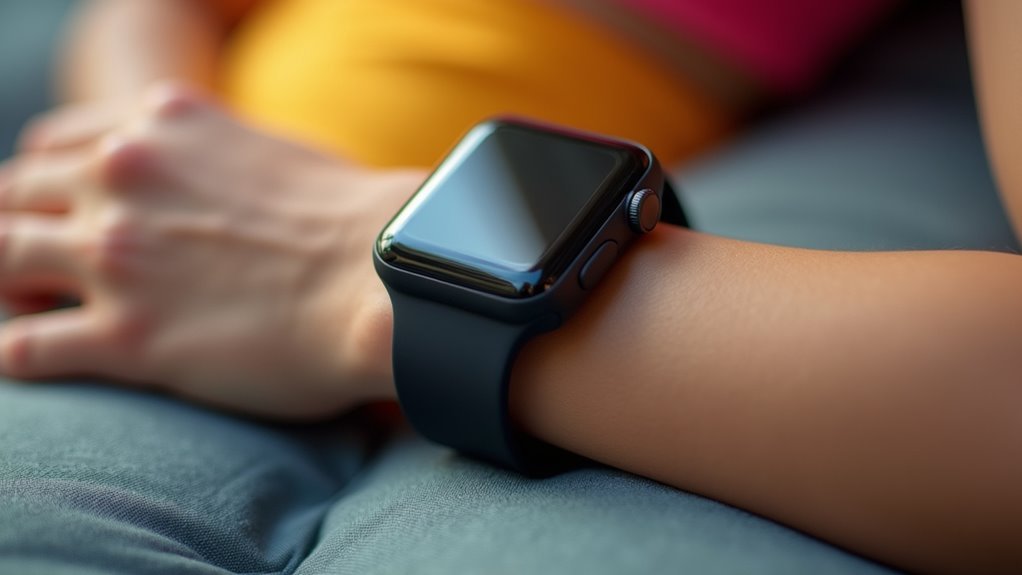
Since even the most advanced sport watch becomes unreliable with poor sensor contact, achieving the proper fit marks the difference between accurate bradycardia detection and misleading readings.
You’ll need to position your watch 1-2 finger widths above your wrist bone, ensuring it’s tight enough to prevent light leakage but not so restrictive that it impedes blood flow. The optical sensor relies on photoplethysmography to detect blood volume changes beneath your skin, making direct contact essential.
Follow these optimization steps:
- Clean the sensor regularly to maintain signal clarity and performance
- Remove moisture or sweat from the sensor site before wearing
- Use the same wrist consistently for baseline accuracy and comparability
- Avoid sudden position changes that may cause temporary inaccurate readings
Remember that these devices can alert you when your heart rate drops below 40 bpm, providing valuable early detection capabilities for potential bradycardia episodes.
Setting Up Low Heart Rate Alerts and Thresholds
Once you’ve established proper sensor contact, configuring your watch’s low heart rate alerts becomes the next step in effective bradycardia monitoring.
Most smartwatches allow you to set custom thresholds for detecting abnormally low heart rates. Access these settings through your device’s heart rate menu—Garmin users navigate to Settings > Sensors & Accessories > Wrist Heart Rate, while Apple Watch owners configure alerts via the iPhone’s Watch app under Heart settings.
Set your threshold based on personal baseline data or medical guidance, typically between 40-50 bpm. You can also disable pulse taps and sounds specifically for heart rate checks while keeping your important alert notifications active.
Remember that most devices only trigger alerts during rest periods, not exercise. Enable continuous heart rate monitoring for consistent detection, and regularly review your alert history to adjust thresholds as your fitness level changes.
Recognizing Accuracy Limitations in Different Skin Tones
While wearable heart rate monitors have revolutionized fitness tracking, they don’t perform equally well across all skin tones due to fundamental limitations in their light-based sensor technology.
Photoplethysmography (PPG) sensors rely on green light to detect blood flow changes, but darker skin tones absorb more of this light due to higher melanin levels. This creates challenges that can affect bradycardia detection accuracy:
Higher melanin levels in darker skin tones absorb more green light, creating accuracy challenges for PPG heart rate sensors.
- Exercise amplifies inaccuracies – Movement and elevated heart rates during physical activity worsen accuracy issues across all skin tones.
- Device-specific performance varies – Fitbit and Garmin generally maintain acceptable resting accuracy, while other brands show significant discrepancies.
- Compensation features differ – Some devices automatically increase light intensity for darker skin tones.
- Research remains inconclusive – Mixed study results highlight the need for thorough testing across diverse populations.
Healthcare providers should exercise caution when recommending these devices to patients, as inaccurate readings could potentially lead to inappropriate treatment decisions or unsafe exercise prescriptions in clinical settings.
Maintaining Your Watch Sensors for Consistent Performance
Beyond understanding your device’s inherent limitations, proper sensor maintenance plays an essential role in achieving reliable bradycardia detection. Clean your watch regularly with a microfiber cloth to remove sweat, dirt, and oils that can interfere with sensor readings. For heart rate monitor straps, clean under lukewarm water for 20-30 seconds, then air dry thoroughly.
| Maintenance Task | Frequency | Method |
|---|---|---|
| Screen cleaning | Daily | Microfiber cloth |
| Sensor cleaning | After workouts | Lukewarm water rinse |
| Strap inspection | Weekly | Visual check for wear |
| Software updates | Monthly | Check manufacturer app |
| Deep cleaning | Bi-weekly | Gentle soap solution |
Keep sensors away from harsh chemicals and guarantee waterproof seals remain intact. Store your watch in cool, dry conditions and regularly update software to maintain peak heart rate monitoring accuracy. Consistent upkeep not only prevents costly repairs but also ensures your smartwatch continues to deliver accurate readings for effective bradycardia monitoring over its entire lifespan.
Interpreting Heart Rate Trends Vs Single Low Readings
When your sport watch displays a single low heart rate reading, resist the temptation to immediately assume you’ve detected bradycardia.
Optical sensors can produce inaccurate readings due to movement, poor contact, or skin tone variations. Instead, focus on heart rate trends over days or weeks to identify meaningful patterns.
Here’s how to properly interpret your data:
- Track resting heart rate trends over multiple days rather than relying on isolated readings.
- Compare patterns at rest versus activity to detect abnormal slowing across different states.
- Monitor heart rate variability alongside absolute numbers for thorough rhythm assessment.
- Correlate consistent downward trends with any symptoms you’re experiencing.
Multiple data points reduce false positives from sensor errors and help differentiate between athletic conditioning and pathological bradycardia. Studies show that wrist-worn devices can achieve up to 100% accuracy when measuring heart rates, making them valuable tools for detecting genuine bradycardia patterns when used correctly.
Documenting Concerning Data for Healthcare Provider Review
Once you’ve identified concerning heart rate patterns through trend analysis, creating a detailed documentation strategy becomes essential for meaningful healthcare provider discussions. Your sport watch data becomes valuable when systematically organized for clinical review.
| Data Type | What to Document | Clinical Relevance |
|---|---|---|
| Heart Rate Patterns | Sustained rates below 60 bpm, duration, frequency | Helps identify bradycardia severity and triggers |
| Symptom Correlation | Syncope, fatigue, dizziness with timestamps | Links symptoms to heart rate events for diagnosis |
| Activity Context | Sleep, exercise, rest periods when bradycardia occurs | Distinguishes pathological from physiological bradycardia |
| Trend Duration | Week-long or monthly patterns showing consistency | Demonstrates pattern persistence versus isolated incidents |
Export your watch data covering several weeks, noting specific episodes with timestamps. Include symptom logs correlating dizziness or syncope with low readings. Pay special attention to any documented pauses lasting 2-3 seconds or longer, as sinus pauses of this duration can indicate significant conduction issues requiring further evaluation. This thorough approach supports your healthcare provider’s assessment and aligns with guideline recommendations for detailed bradycardia evaluation.
Identifying When Symptoms Require Immediate Medical Attention
While your sport watch can alert you to concerning heart rate patterns, you must recognize when bradycardia symptoms become life-threatening emergencies.
Certain warning signs demand immediate 911 calls rather than scheduling a doctor’s appointment for next week. Understanding these critical moments can mean the difference between a manageable condition and a medical crisis that threatens your life.
If you experience chest pain that persists for more than a few minutes alongside your slow heart rate readings, this constitutes a medical emergency requiring immediate emergency room attention.
Emergency Bradycardia Warning Signs
Although sport watches excel at detecting irregular heart rhythms during routine monitoring, recognizing emergency bradycardia warning signs can literally save your life when symptoms escalate beyond what your device displays.
When your heart rate drops below 60 bpm and you’re experiencing concerning symptoms, don’t rely solely on your watch’s readings. Your body sends clear distress signals that demand immediate medical attention:
- Loss of consciousness or fainting episodes – These indicate severe drops in blood pressure and brain perfusion.
- Chest pain combined with shortness of breath – Signs of compromised heart muscle blood supply.
- Confusion or mental disorientation – Results from reduced oxygen delivery to your brain.
- Pale, cold, or bluish skin – Evidence of poor circulation and potential circulatory failure.
Severe bradycardia cases may ultimately require pacemaker implantation to restore and maintain proper heart rhythm when other treatments prove insufficient.
Call emergency services immediately if you experience these symptoms.
When Minutes Matter Most
When your sport watch readings combine with specific physical symptoms, you’re facing a medical emergency that requires split-second decision-making.
If you experience chest pain alongside bradycardia readings, don’t hesitate—call emergency services immediately. Loss of consciousness or severe confusion paired with slow heart rates indicates your brain isn’t receiving adequate oxygen.
Watch for these critical combinations: persistent dizziness with heart rates below 50 BPM, sudden fainting spells, or severe shortness of breath that doesn’t improve with rest. Readings consistently showing severe bradycardia below 40 BPM demand immediate medical evaluation regardless of other symptoms.
Your sport watch data becomes invaluable evidence for emergency responders—screenshot or note the readings before seeking help.
Understanding When Sport Watch Data Needs Professional Validation
You shouldn’t rely solely on your sport watch when it consistently shows abnormal heart rate patterns below 60 bpm.
If you’re experiencing symptoms like dizziness, fatigue, or chest pain alongside these readings, it’s time to consult a medical professional immediately.
Remember that your device has inherent limitations and can’t replace proper medical diagnosis, especially when dealing with potential cardiac conditions. While wrist-worn monitors are generally accurate at rest and during walking, they still lack the precision of medical-grade equipment for diagnosing serious heart conditions.
Persistent Abnormal Rate Patterns
While sport watches excel at detecting occasional heart rate dips, persistent abnormal patterns require a different level of scrutiny.
When your device repeatedly shows bradycardia across multiple days or weeks, you’re looking at potentially significant cardiac activity that demands professional evaluation.
Watch for these warning signs that indicate persistent abnormalities:
- Consistent low readings below 60 BPM regardless of activity level or time of day
- Pattern duration extending beyond several consecutive days without explanation
- Symptom correlation with dizziness, fatigue, or fainting episodes during low-rate periods
- Trend analysis showing gradual worsening or new-onset bradycardia patterns
Remember that single electrode wearable devices provide less comprehensive information than traditional 12-lead ECGs used in clinical settings.
Symptom-Triggered Medical Consultation
How do you determine when your sport watch’s bradycardia readings warrant immediate medical attention?
You’ll need to recognize specific symptoms that require professional validation of your wearable data.
Watch for dizziness, chest pain, shortness of breath, or fainting episodes alongside low heart rate readings. These symptoms indicate you should seek immediate medical consultation, as your device’s data needs professional interpretation.
Don’t rely solely on your watch’s algorithms for medical decisions. Healthcare providers use specialized assessment tools and clinical judgment that your device can’t replicate. Your wearable data serves as valuable supplementary information, but it requires validation through proper medical evaluation.
If you’re experiencing persistent bradycardia readings with accompanying symptoms, contact your healthcare provider immediately. They’ll determine whether your condition needs monitoring protocols or intervention based on thorough assessment. Medical professionals can provide individualized treatment approaches that account for your specific health conditions and symptoms.
Device Limitation Recognition
Sport watches rely on optical sensors that measure light reflection from blood flow, creating inherent accuracy limitations you should understand before making health decisions.
These devices aren’t medical equipment and can’t match FDA-approved monitor accuracy.
Your sport watch’s reliability depends on several critical factors:
- Sensor contact quality – Loose bands, dry skin, or poor positioning reduce accuracy
- Movement interference – Exercise and daily activities create false readings or missed beats
- Individual variations – Skin tone affects light absorption, potentially compromising heart rate detection
- Algorithm limitations – Single-lead sensors can’t detect complex cardiac conditions like medical 12-lead ECGs
Research involving 469 participants across multiple studies reveals that darker-skinned individuals may experience significantly less accurate heart rate measurements from wearable devices.
You’ll need professional validation when readings consistently show bradycardia below 60 bpm, especially with symptoms like dizziness or fatigue.
Frequently Asked Questions
Can Sport Watches Detect Bradycardia During Sleep or Only While Awake?
Your sport watch can detect bradycardia during both sleep and wake periods. However, you’ll find sleep detection less accurate since normal sleeping heart rates naturally drop to 40-50 bpm, potentially triggering false alarms.
Do Medications Like Beta-Blockers Affect Sport Watch Heart Rate Accuracy?
Beta-blockers greatly affect your sport watch’s heart rate accuracy. They’ll lower your readings, causing underestimated exercise intensity and inaccurate VO2 max calculations. You’ll need to adjust settings or use perceived exertion instead.
Should Athletes Ignore Low Heart Rate Alerts Due to Their Conditioning?
You shouldn’t ignore low heart rate alerts despite your athletic conditioning. While you’ll naturally have a lower resting heart rate, these alerts can still indicate serious underlying heart conditions that require medical evaluation.
Can Sport Watches Differentiate Between Bradycardia and Irregular Heart Rhythms?
You’ll find that sport watches struggle to differentiate between bradycardia and irregular rhythms since they measure pulse rate, not electrical heart activity, making precise arrhythmia discrimination challenging without medical-grade ECG technology.
How Long Should I Monitor Before Reporting Persistent Bradycardia to Doctors?
You should monitor for days to weeks to establish symptom correlation with bradycardia episodes. However, if you’re experiencing syncope, dizziness, or heart failure symptoms, report immediately regardless of monitoring duration.
In Summary
You’ve learned how sport watches can help detect bradycardia, but remember they’re monitoring tools, not medical devices. Don’t rely solely on your watch’s readings—combine them with symptom awareness and regular check-ins with your healthcare provider. If you’re experiencing dizziness, fatigue, or chest pain alongside low heart rate readings, seek immediate medical attention. Your sport watch is a valuable ally in heart health monitoring when used correctly.