You’ll gain real-time insights into stress patterns when your fitness device monitors heart rate variability alongside your daily steps. Modern wearables detect stress indicators through physiological signals, then suggest personalized breathing exercises or mindfulness breaks exactly when you need them. This integration helps you understand how physical activity impacts your mood while building sustainable mental health habits through continuous feedback. The complete picture of your mind-body connection reveals optimization strategies you’ve likely overlooked.
Real-Time Stress Detection and Intervention Through Wearable Technology

How can technology detect your stress levels before you even realize you’re overwhelmed? Wearable devices continuously monitor your physiological signals, including heart rate variability and respiratory patterns, using sophisticated machine learning algorithms to identify stress indicators in real-time.
Your smartwatch or fitness tracker analyzes this data alongside contextual factors like activity levels and sleep patterns to predict stress episodes before they escalate.
This early detection enables immediate, personalized interventions tailored to your specific physiological responses. You’ll receive timely alerts prompting breathing exercises, mindfulness breaks, or other stress management strategies.
The technology’s ability to understand your unique stress patterns means you’re not just reacting to stress—you’re preventing it. This proactive approach helps you maintain better mental and physical health while developing more effective coping mechanisms. Unlike traditional stress assessments that rely on questionnaires and interviews, wearables provide continuous monitoring without the subjectivity and bias of conventional methods.
Combining Physical Activity Tracking With Mental Wellness Monitoring
While traditional fitness trackers focused solely on steps and calories, modern wearable devices now create a thorough picture of your well-being by simultaneously monitoring physical activity and mental wellness metrics.
You’ll receive real-time insights that combine heart rate data with stress levels, linking your physical movements to mental states. This integration helps you recognize how exercise impacts your mood and stress, while mindfulness practices influence your physical performance.
Your device adapts mindful movement activities based on your step count and physiological data, creating personalized experiences that address both body and mind.
Modern wearables customize mindful activities using your movement patterns and body signals for truly integrated wellness experiences.
When you track respiratory rate alongside fitness goals, you’ll receive tailored breathwork guidance that enhances relaxation. Many devices also provide daily reminders for mindfulness moments to help establish consistent mental wellness habits.
This holistic approach prevents you from overestimating activity or underestimating stress, promoting sustained behavior change through accurate self-awareness.
Personalized Mindfulness Recommendations Based on Physiological Data
When your fitness tracker detects elevated stress through increased heart rate variability and skin conductance, it can automatically suggest specific breathing exercises tailored to your physiological state.
Machine learning algorithms analyze your unique biological responses to determine which mindfulness practices work best for you. Your device can recommend guided meditations when it senses tension or suggest body scans during periods of physical restlessness.
This personalized approach considers your genetic variability and psychological profile to create customized recommendations. These technologies can incorporate attention and acceptance components that form the foundation of effective mindfulness practice.
Real-time feedback loops help adjust practices based on your body’s immediate responses. AI-powered insights identify patterns correlating with improved mental health outcomes, while neurofeedback training teaches you to control physiological responses during mindfulness sessions.
You’ll receive targeted interventions that enhance effectiveness and engagement.
Building Sustainable Mental Health Habits Through Continuous Feedback
As fitness devices continuously monitor your mindfulness practice, they create a powerful foundation for developing lasting mental health habits. The continuous feedback loop transforms how you understand and manage your mental well-being by providing objective data that enhances self-awareness and strengthens habit formation.
Here’s how continuous feedback builds sustainable mental health habits:
- Enhanced Self-Awareness: You’ll document thoughts, feelings, and experiences, revealing habitual patterns that allow you to identify negative cycles and make deliberate changes in your mindset.
- Strengthened Habit Formation: Progress tracking motivates consistency and prevents lapses, with visible improvements reinforcing positive behavior changes over time. Just as step counter features encourage daily physical activity increases, mindfulness tracking promotes regular mental wellness practices.
- Trigger Identification: You’ll recognize specific emotional triggers causing stress, enabling proactive modifications to unhealthy responses and building long-term resilience.
Supporting Preventive Healthcare With Integrated Mind-Body Tracking
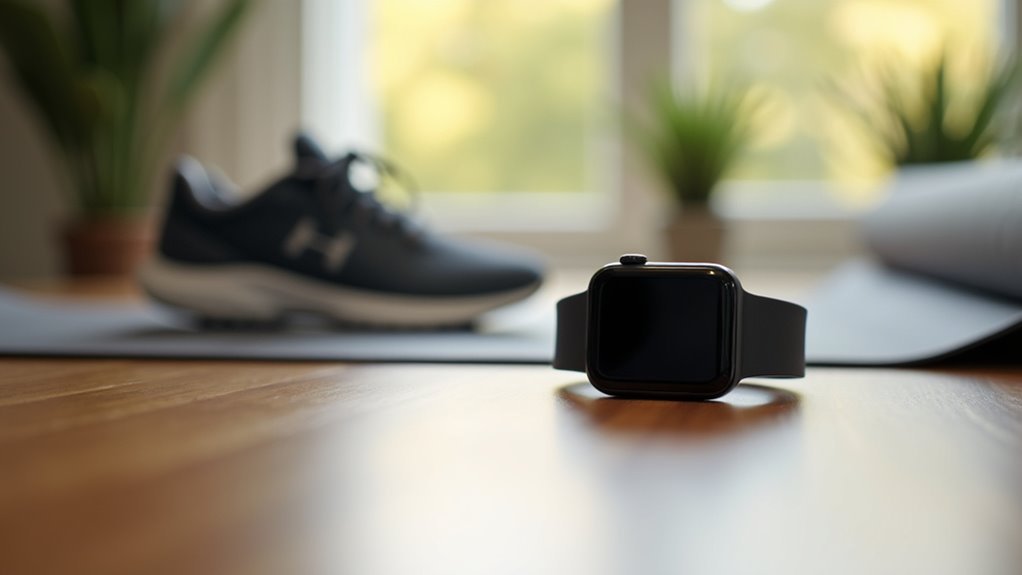
Because your fitness device captures both physical metrics and stress indicators simultaneously, you’re equipped with unprecedented insight into how your mind and body interact throughout each day.
Modern fitness devices provide real-time visibility into the complex relationship between your physical state and mental wellness throughout daily life.
This continuous monitoring enables early identification of stress patterns before they escalate into clinical conditions, supporting true preventive healthcare.
You’ll receive personalized health plans that address both physical and mental wellness based on your integrated data. When stress levels spike, real-time notifications prompt immediate mindfulness interventions, preventing prolonged anxiety episodes.
Your wearable tracks heart rate variability, breathing patterns, and activity levels to create thorough wellness profiles.
Healthcare providers can monitor your wellbeing outside clinical environments, increasing accessibility to mental health support. With the stress tracking device market projected to reach US$ 4.7 billion by 2033, this integration of mindfulness and fitness monitoring represents a significant shift toward comprehensive health management.
This proactive approach leads to measurable benefits including lower blood pressure and enhanced emotional regulation.
Frequently Asked Questions
Do Fitness Trackers With Mindfulness Features Drain Battery Life Faster Than Regular Devices?
Yes, you’ll likely experience faster battery drain with mindfulness features enabled. GPS and heart rate monitoring consume more power than breathing rate tracking, but guided meditations and AI coaching increase overall consumption.
Can Children and Teenagers Safely Use Mindfulness Tracking on Fitness Devices?
You can safely let children and teenagers use mindfulness tracking on fitness devices with proper parental oversight, age-appropriate device selection, and regular monitoring to guarantee they’re developing healthy habits rather than obsessive behaviors.
How Accurate Are Fitness Device Sensors for Measuring Stress and Relaxation States?
You’ll find fitness device sensors moderately accurate for stress tracking, with heart rate within 5% error and HRV being most reliable. However, sleep and energy expenditure measurements show significant inaccuracies affecting overall relaxation assessments.
What Privacy Concerns Exist When Sharing Mindfulness Data With Healthcare Providers?
Your mindfulness data reveals sensitive mental health information that’s vulnerable to breaches, unauthorized access, and potential discrimination. You’ll face risks from continuous tracking, profiling, and unclear sharing policies despite healthcare providers’ security compliance claims.
Are Mindfulness Features on Budget Fitness Trackers as Effective as Premium Models?
Budget fitness trackers offer basic mindfulness features like guided breathing, but you’ll get more accurate stress tracking, extensive health integration, and personalized insights with premium models that enhance your overall mindfulness practice effectiveness.